
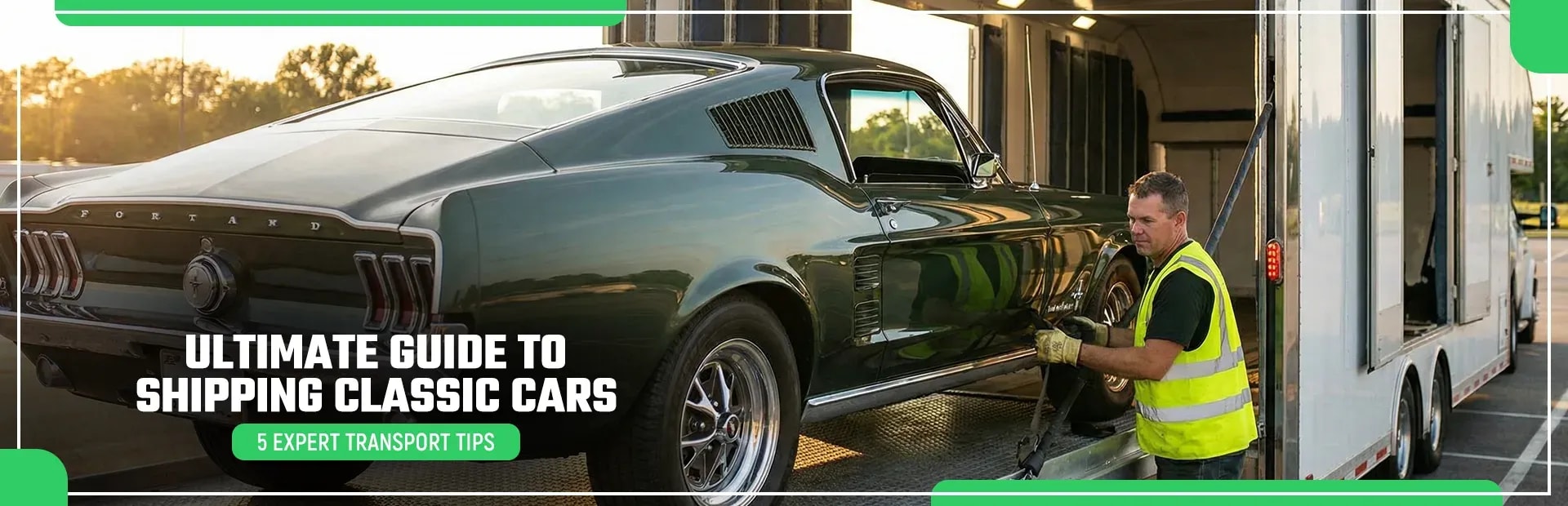
Shipping a classic car takes real care. One wrong move can damage a vehicle you can't replace.
Classic cars carry huge sentimental and financial value, so moving one isn't like shipping a regular car. Whether you're relocating a vintage car or sending it to a show, picking the right shipping method matters.
At Transportvibe, we review classic car transport companies honestly, so you can ship your car safely and with real peace of mind.
This guide covers it all: choosing enclosed shipping, prepping your car, insurance, and cost. Here's how to do it with confidence.
Why classic cars ship differently
Classic cars need special care because of their age and value. A regular car doesn't need this level of attention.
Many classics are decades old, with delicate parts that wear out easily. Good transport protects that condition and keeps the car's worth intact.
Because these cars cost so much, and often can't be replaced, a mistake in transit gets expensive fast.
Driving a classic long-distance also risks wear, breakdowns, or an accident. A professional shipper avoids all of that.
Here's what makes classic car shipping different:
-
Age and fragility: old upholstery and rare parts need an enclosed trailer to stay safe from the weather.
-
High value: classics can be worth tens or hundreds of thousands of dollars, so solid insurance matters.
-
Custom builds: many classics sit lower to the ground or carry unique mods, which means special handling.
-
Sentimental value: these cars are often family heirlooms, so mishandling hurts more than just your wallet.
-
Rare parts: replacement parts are hard to find, so damage in transit is a bigger deal than with a normal car.
Picking the right company means finding one that actually understands these risks.
Classic Car Shipping Cost
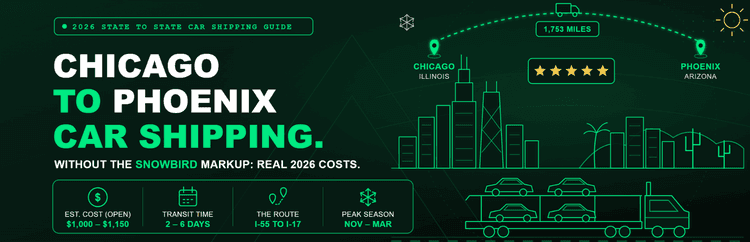
For an operable classic car, Sherpa Auto Transport puts the cost at $800 to $1,500 on an open carrier and $1,100 to $2,000 enclosed.
That gap is the decision most classic owners are really making. Enclosed costs more because the trailer holds fewer cars. You're paying for the empty spots.
Distance sets the rest of the price. Move.org collected quotes from more than 10 shipping companies in October 2026. These are the averages it found:
| Trip | Distance | Open carrier | Enclosed carrier | Enclosed premium |
|---|---|---|---|---|
| Greensboro to Charlotte | 94 miles | $404 | $612 | +51% |
| Dodge City to Roswell | 435 miles | $873 | $1,253 | +44% |
| Portland to Denver | 1,241 miles | $976 | $1,510 | +55% |
| San Diego to Boston | 3,038 miles | $1,403 | $1,992 | +42% |
Sources: Move.org, How Much Does It Cost to Ship a Car in 2026, quotes for a running 2025 Toyota Camry with a one-week lead time, October 2026. Sherpa Auto Transport, Classic Car Transport Options, September 2026.
One honest catch: Move.org's numbers are for a modern Camry, not a 1967 Mustang. They show how distance and trailer type move the price. A classic can land higher if it sits low, needs special loading or doesn't run.
Across those 4 trips, enclosed came in 42% to 55% above open. Sherpa puts its classic car premium at about 50%. Budget for roughly half again on top of the open price.
What Pushes a Classic Car Quote Higher
- A car that doesn't run. It has to be winched onto the trailer. Move.org found that adds about $100 to $300. In its test, a 2023 Dodge Challenger went from $696 running to $978 not running over 500 miles.
- A tight pickup date. Sherpa adds $200 to $500 for an expedited pickup window. Its cheapest option is a 5-business-day window.
- January and summer. Sherpa names both as peak season.
- A rural address. Sherpa says urban pickups and deliveries cost less than rural ones. Meeting the driver closer to a highway can lower the quote.
And check the insurance before you compare prices. Sherpa requires its carriers to hold at least $100,000 in cargo insurance. That covers a lot of cars. It might not cover yours. Ask for the carrier's certificate of insurance, compare the limit to your car's appraised value, and close any gap with your own classic car policy.
Choosing the right transport company
The company you pick matters more here than with a regular car. Transportvibe makes this easier with honest reviews of classic car shippers.
Here's what to look for:
-
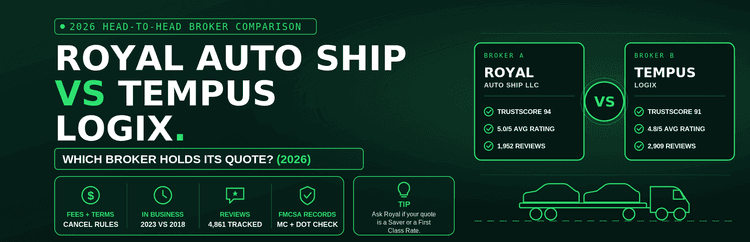
Experience: pick a company with a real track record shipping classics, including low-clearance or non-running cars.
-
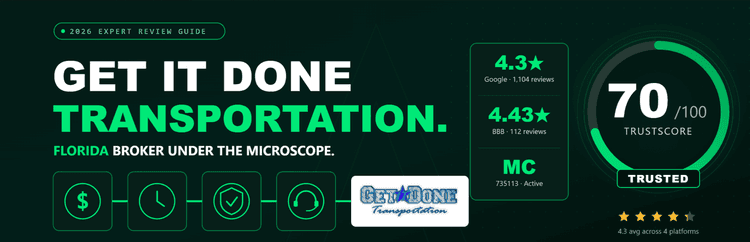
Reputation: check reviews on a site like Transportvibe for an honest read on reliability. See our guide on comparing review platforms if you want to know which review site to trust.
-
Licensing: confirm they hold a real USDOT and MC number, proof they follow federal rules.
-
Insurance: make sure their policy actually covers your car's full value.
-
Equipment: look for enclosed trailers for the best protection.
-
Clear pricing: get a full quote in writing, and watch for hidden fees.
-
Support: pick a company that answers your questions and keeps you updated.
-
Local knowledge: a local company may respond faster and know your area better.
Taking the time here saves you from a costly mistake. Always check the insurance details and document your car's condition before it ships.
Enclosed vs. open transport
Picking the right carrier type protects your car's safety and value.
Enclosed transport
A sealed, covered trailer gives your classic the most protection from weather, debris, and road hazards.
-
Security: a locked, fully covered trailer cuts the risk of theft, ideal for a rare or high-value car.
-
Weather protection: shields your car from rain, dust, and sun.
-
Climate control: some enclosed carriers control temperature and humidity, good for a sensitive vintage car.
-
Cost: enclosed transport runs 20-40% more than open transport, worth it for a car you can't replace.
-
Fewer cars per trip: an enclosed trailer carries fewer vehicles, so your car gets more careful handling.
Open transport
Open carriers are a cheaper option that fits some situations, though your car is exposed to the elements.
-
Lower cost: the more affordable choice, good for a less valuable or well-kept classic.
-
Easier to book: more common and easier to find for shorter routes.
-
More risk: more exposure to weather, debris, and scratches.
-
Best for: short trips or a car that's less fragile. Inspect and photograph your car before it ships either way.
-
Insurance: double check your coverage is enough if you go with open transport.
Door-to-door delivery is more convenient. Terminal-to-terminal can save money. Pick based on what your car actually needs.
How much does it cost to ship a classic car?
A few things drive the price:
-
Distance: expect $0.48 to $2.75 per mile. Rural or complex routes can cost more.
-
Size and condition: a bigger or non-running car needs special equipment, which raises the price.
-
Transport method: enclosed costs 20-40% more than open, for better protection.
-
Season: summer and winter demand push prices up. Booking off-peak can save you money.
-
Fuel prices: rates shift with the cost of fuel.
-
Extra services: door-to-door delivery or faster shipping costs more.
Most domestic shipments run $500 to $2,000. International shipping can run over $5,000, depending on customs and the transport method.
Always get a full, detailed quote so there are no surprises, and make sure your insurance actually matches your car's value.
Get a quote to compare real prices from trusted classic car shippers.
Prepping your car, step by step
-
Clean it. A clean car makes it easy to spot existing damage.
-
Document it. Photograph and film the whole car, inside and out, for insurance purposes.
-
Empty it. Remove everything personal. Shippers usually don't cover lost items.
-
Secure loose parts. Take off or tie down anything loose, like a spoiler or antenna.
-
Check your fluids. Keep the gas tank to about a quarter full, that's a safety rule. Top off oil and coolant.
-
Check for leaks. Fix anything leaking before it ships.
-
Disable the battery. If the car isn't running, disconnect the battery for transit.
-
Check tires and brakes. Good tire pressure and working brakes make it easier to move your car safely.
-
Secure the top. If it's a convertible, make sure the top is locked down. Enclosed transport adds extra protection here.
-
Speak up. Tell the shipper about anything unusual, like low ground clearance, before pickup.
Good prep lowers your risk, and makes any insurance claim easier if something does go wrong.
What to check on insurance
A classic needs insurance that matches its real value, not just basic coverage.
Standard coverage from a shipper often doesn't fully protect a high-value classic. Confirm the policy covers your car's actual appraised value.
For a rare or restored car, you may need extra coverage on top of what the shipper offers. Talk to your provider about your options.
Document your car's condition before it ships, photos and video back up any claim.
Ask for a certificate of insurance straight from the company. Understand how a claim actually works, and how long it takes, before you ever need one.
Enclosed transport often comes with higher insurance limits built in. Confirm the details either way.
Transportvibe's reviews can help you find a shipper known for solid, transparent insurance.
5 tips from transport pros
-
Book early. Enclosed transport fills up fast in busy seasons. Book ahead to lock in the protection you want.
-
Say exactly what your car needs. Low clearance, non-running status, anything unusual, tell the shipper upfront.
-
Watch the weather and route. Check the forecast and talk through any risk with your shipper.
-
Double-check your insurance. Confirm it matches your car's value, and keep your documentation ready.
-
Pick a shipper with a real reputation. Use Transportvibe's reviews to find one that's actually reliable.
Common mistakes to avoid
-
Picking the cheapest option. A bargain price can mean poor service or real damage.
-
Skipping the insurance check. Confirm your coverage before you ship, not after something breaks.
-
Skipping prep. Document your car and secure loose parts, don't skip these steps.
-
Ignoring the weather. Check seasonal conditions and timing before you book.
Wrap-up
Shipping a classic car takes planning and a shipper you can trust. Pick a reputable company, prep your car well, and make sure your insurance actually covers what the car is worth. Book early and say exactly what your car needs, that handles most of the risk right there.
Transportvibe makes this easier with honest reviews, so you can find the right shipper for your car. Whether you're shipping across the state or across the world, plan ahead and work with people who know what they're doing.
Get a quote today.