
Auto transport in 2026 is shaped by high fuel prices, tighter driver supply, and strong demand for long-distance shipments. These factors have pushed car shipping quotes higher on many routes. Shippers can still control costs by booking early, staying flexible on dates, and comparing verified carriers.
The auto transport industry changed more between 2024 and 2026 than many experts expected. Some popular predictions, such as self-driving car haulers, did not happen. Other changes, such as record fuel costs and stricter driver rules, now affect nearly every quote.
At Transportvibe, we track carriers, pricing trends, and federal rules across the industry. This guide to auto transport trends 2026 explains what changed, what it means for your shipping costs, and what to expect next. To see how these trends affect your route today, get a vehicle shipping quote and compare current rates from verified carriers.
How Did Auto Transport Trends Change From 2024 to 2026?
The industry moved from steady growth to rising costs and tighter capacity. In 2024, weather disruptions and steady demand were the main stories. The biggest auto transport trends 2026 shippers face are fuel prices, driver rules, and long-haul demand.
|
Factor |
2024 |
2025 |
2026 |
|---|---|---|---|
|
Fuel costs |
Moderate |
Fairly stable |
Record highs in the fall |
|
Demand |
Steady, led by SUVs |
Strong growth in long-haul moves |
Busy long-haul and Northeast routes |
|
Driver supply |
Ongoing shortage |
Stricter enforcement began |
New licensing rules took effect |
|
Electric vehicles |
Steady growth |
Sales peaked before tax credits ended |
Sales stabilized at a lower level |
|
Automation |
Testing only |
First driverless freight trucks |
Driverless freight expands in the South |
Many 2024 predictions focused on technology. In practice, the biggest changes came from costs and regulations.
What Will It Cost to Ship a Car in 2026?
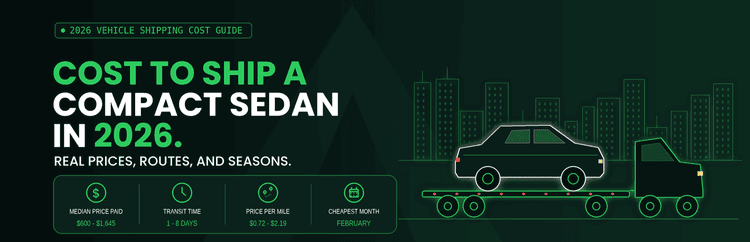
Most car shipping quotes are higher in 2026 than a year ago, mainly because of fuel prices. Diesel is one of a carrier’s largest expenses. When fuel prices rise, carriers raise rates to cover the cost.
U.S. retail diesel prices averaged $6.29 per gallon in September 2026, and the U.S. Energy Information Administration expects them to average about $4.50 per gallon in 2027. That forecast suggests some relief next year.
Distance also affects price. Longer trips cost more in total but less per mile, because the carrier’s costs are spread across more miles.
|
Haul type |
Total cost |
Cost per mile |
|---|---|---|
|
Short local move |
Lowest |
Highest |
|
Regional move (one state to a nearby state) |
Moderate |
Moderate |
|
Cross-country move (over 1,000 miles) |
Highest |
Lowest |
Short moves have their own options. For trips of about 200 to 300 miles, regional carriers that work within a state or metro area can be a good fit. They don’t need to fill a truck for a long-haul run, so they can sometimes pick up sooner and charge less than national networks. Transportvibe lists regional carriers alongside national ones, so you can compare both for your route.
Other factors that affect your quote include:
-
Vehicle size and weight. Larger SUVs, trucks, and EVs take up more space and weight on a trailer.
-
Transport type. Enclosed transport costs more than open transport.
-
Season. Summer and the snowbird months raise demand on many routes.
-
Route popularity. Busy routes between major cities usually cost less than rural routes.
-
Timing. Rush or expedited pickups cost more.
To manage costs in 2026, follow these steps:
-
Book early. Give carriers two to three weeks of notice when possible.
-
Be flexible on dates. A wider pickup window helps carriers fit your car onto a full load.
-
Choose open transport for standard vehicles. It is the most affordable option and has the most trucks available.
-
Compare several quotes. Prices vary between carriers on the same route.
-
Ask about fuel surcharges. Confirm whether the quote includes fuel or whether a surcharge can be added later.
Why Is Carrier Capacity Tighter in 2026?
Fewer available drivers and rising demand on long-distance routes have tightened carrier capacity. When there are fewer trucks and more cars to move, pickups slow down, and prices rise on busy routes.
On the supply side, two federal driver rules matter most. English language proficiency requirements for commercial drivers are now strictly enforced at roadside inspections, and drivers who fail can be placed out of service immediately. A 2026 rule also tightened who can hold a non-domiciled commercial driver’s license (CDL), which is issued to drivers who are not permanent U.S. residents. Existing license holders can keep driving until their licenses expire, so this effect is gradual.
On the demand side, long-distance routes and routes into the Northeast and West are growing fastest. Dealerships and auctions are sourcing vehicles from farther away, which pushed long-distance shipments up about 42% in 2025. These figures come from the Super Dispatch 2026 State of Auto Transport report, which is based on dealer, auction, and broker shipments.
Population shifts also play a role. People moving to warmer states, and seasonal travel to Florida and Arizona, keep those routes busy at certain times of year. For shippers, this means pickup windows may be longer on popular routes, especially during peak seasons. Booking early and staying flexible on dates helps you secure a spot on a truck.
How Are Electric Vehicles Changing Car Shipping?
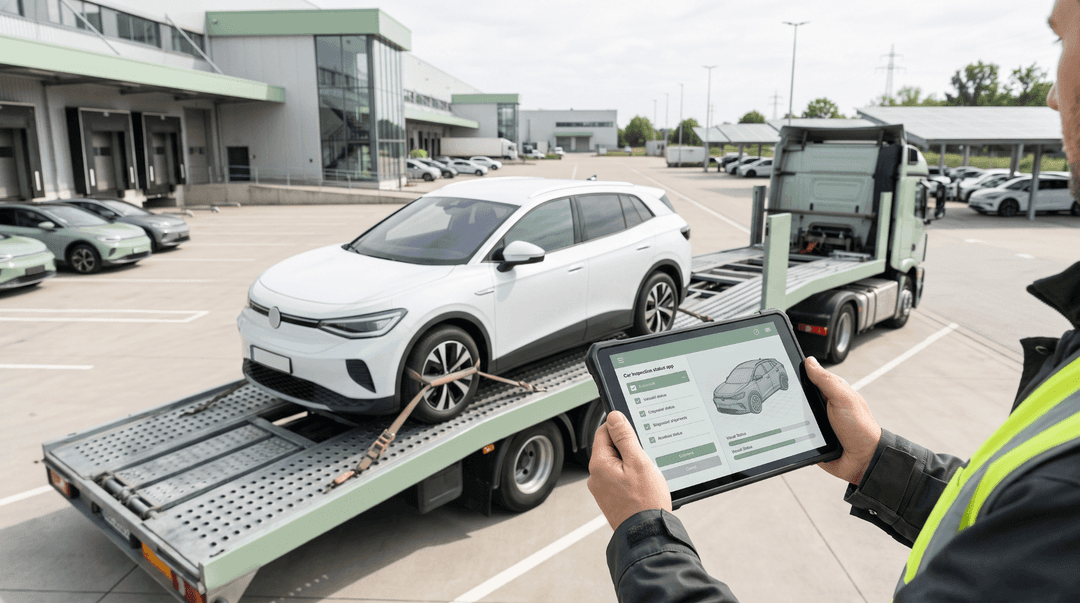
EVs are a smaller share of new car sales than many 2024 forecasts predicted, but they still affect how carriers load and price shipments. EVs are heavier than most gas-powered cars, so fewer of them may fit on one truck.
EV sales rose sharply in 2025 as buyers rushed to use federal tax credits before they ended. Sales then dropped and have since stabilized at about 6% of new vehicle sales. Hybrid vehicles, meanwhile, continue to grow in popularity.
Shipping an EV by truck is widely available. Ocean shipping is more limited. Some ocean carriers serving Hawaii, Alaska, and Guam have paused EV and plug-in hybrid bookings because of battery fire concerns. Check current carrier rules before booking an EV shipment by sea.
When shipping an EV, follow these steps:
-
Charge the battery to the level the carrier requests. Most carriers ask for a partial charge, not a full one.
-
Share the vehicle’s weight. This helps the carrier plan the load.
-
Ask about EV experience. Confirm the driver knows how to load and secure an EV safely.
How Is Technology Changing Car Shipping in 2026?
Technology is changing how car shipments are booked, tracked, and paid for, but human drivers still haul every car. Self-driving trucks now carry some general freight, while car carriers rely on digital tools rather than automation on the road.
Driverless freight trucks began operating in Texas in 2025 and have since expanded to other routes in the southern U.S. These trucks carry packaged goods, not vehicles. Car hauling still requires trained people to load, secure, and inspect each car.
For car shippers, technology in 2026 shows up mainly in software. Common tools include:
-
Online quotes and booking. Customers can compare and book carriers without phone calls.
-
Electronic bills of lading. Drivers record the car’s condition digitally at pickup and delivery, often with photos.
-
Shipment tracking. Many carriers offer text or email updates during transit.
-
Faster carrier payments. Digital payment systems help carriers get paid quickly, which keeps more trucks in business.
Tracking has improved the most for everyday shippers. Many carriers now send text or email alerts, show the truck’s location on a map, and update the arrival estimate when weather or traffic causes delays. Before you book, ask how the company shares updates and how often. A carrier that offers live tracking or regular check-ins makes it easier to plan for pickup and delivery.
Quoting has also become faster. Many online quote tools now adjust prices automatically based on route demand, fuel costs, and vehicle type, so you can see a current rate within minutes instead of waiting for a callback. Because these prices move with demand, a quote you get today may rise during peak season. Comparing several quotes and booking early helps you lock in a rate before seasonal spikes.
Fraud is rising alongside these tools. Scammers pose as brokers, take deposits, and disappear, and some companies double-broker loads to unverified carriers. Checking verified reviews and carrier records before you book matters more than ever.
FMCSA Rule Changes: What Was Predicted vs. What Happened
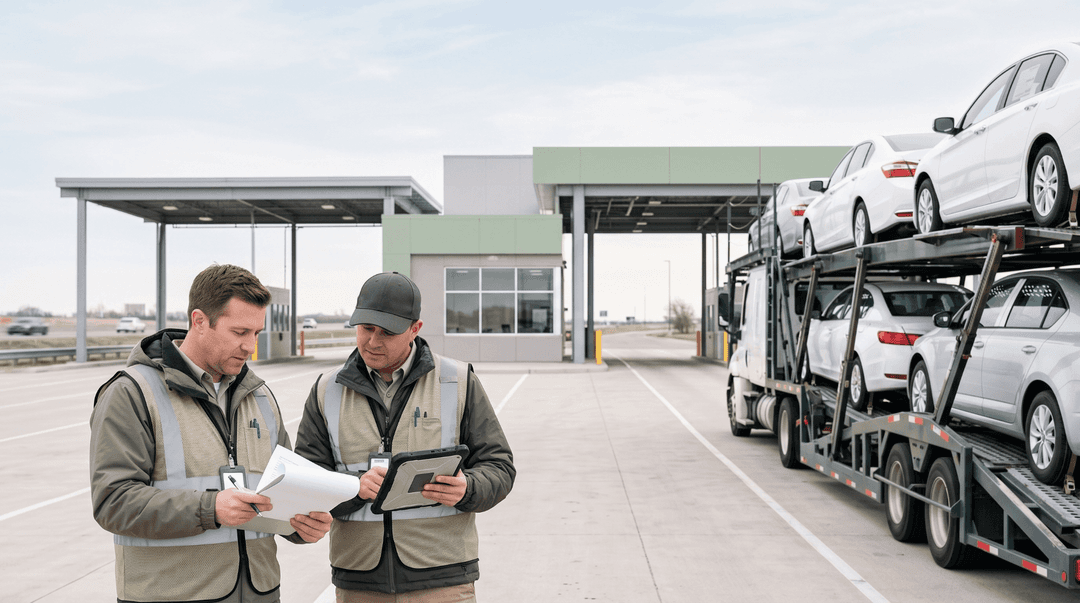
Many rules predicted in 2024 did not happen, while new driver rules arrived in 2025 and 2026. Here is how the major rules stand as of October 2026.
-
Carrier insurance minimums: Coverage in 2024 predicted the $750,000 liability floor would rise to $1.5 to $2 million. The $750,000 minimum has stood since 1985, and raising it requires a new rule or an act of Congress.
-
Speed limiters: Mandatory limiters on trucks over 26,000 pounds were widely expected. DOT withdrew the proposal in 2025.
-
Drug and alcohol testing: Hair testing and more random tests were predicted. The Drug and Alcohol Clearinghouse has run since 2020, and drivers flagged as prohibited now lose CDL driving privileges. Hair testing still waits on federal guidelines.
-
Safety Fitness Determination: New tiered carrier ratings were predicted. The old satisfactory, conditional, and unsatisfactory ratings still apply.
-
ELD rules: Tighter tamper controls were predicted. ELDs have been mandatory since 2017, and drivers using non-compliant devices can now be placed out of service.
-
English proficiency: This change was not widely predicted. Out-of-service enforcement began in 2025.
-
Non-domiciled CDLs: This change was also not widely predicted. A 2026 rule tightened eligibility.
For shippers, the insurance rule matters most. The $750,000 liability figure covers damage the truck does to other people and property. Your car is covered by the carrier’s separate cargo policy. Ask for both certificates, then confirm the carrier’s authority and insurance filing on the FMCSA SAFER company snapshot.
What Should Shippers Expect for the Rest of 2026 and Into 2027?
Expect high but easing fuel costs, continued tight capacity on busy routes, and more digital tools. These trends will shape quotes through 2027.
-
Fuel costs should ease. Government forecasts show diesel prices falling in 2027.
-
Driver supply will stay tight. Licensing and enforcement rules will continue to limit the driver pool.
-
Long-haul demand will stay strong. Dealers and auctions will keep buying cars from distant markets.
-
EV shipping will grow slowly. EV sales are recovering, and the used EV market is expanding.
-
Verification will matter more. As fraud rises, shippers will rely more on carrier records and verified reviews.
Auto transport trends 2026 look different from what earlier forecasts predicted. The biggest changes came from fuel prices and federal driver rules, not from self-driving car haulers or new technology. These factors have raised quotes on many routes and made capacity tighter during busy seasons.
For shippers, the practical advice is simple. Book early, stay flexible on dates, and verify every carrier’s FMCSA record and insurance before handing over your keys. Fuel relief is expected in 2027, but capacity will likely stay tight on busy long-haul routes.
At Transportvibe, we will keep tracking these changes so shippers can make informed decisions. When you are ready, Compare Quotes Instantly from verified auto transporters.